
Physician Owned & Operated Since 2006
Clinics in New Braunfels, Seguin, Cuero, Kenedy, Hallettsville, and Yoakum
Joint pain, sports injuries, fractures, and arthritis — most managed without surgery, with same-week appointments when an injury needs attention fast. Straight answers from a surgeon when an operation is on the table, and the same care team guiding you through recovery. Most insurance accepted, including Medicare and Tricare.
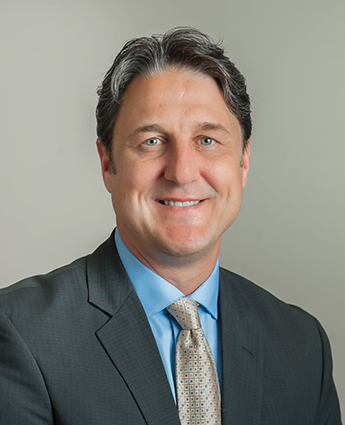
 David B. Templin, M.D.
Board Certified Orthopedic Surgeon
David B. Templin, M.D.
Board Certified Orthopedic Surgeon
 Michael S. Vrana, M.D.
Board Certified Orthopedic Surgeon · Fellowship-Trained in Sports Medicine
Michael S. Vrana, M.D.
Board Certified Orthopedic Surgeon · Fellowship-Trained in Sports Medicine
 Trent Twitero, M.D.
Board Certified Orthopedic Surgeon · Former Chief of Orthopedics @ Fort Hood
Trent Twitero, M.D.
Board Certified Orthopedic Surgeon · Former Chief of Orthopedics @ Fort Hood
 Sydney Georg, PA-C
Physician Assistant · Works with Dr. Templin
Sydney Georg, PA-C
Physician Assistant · Works with Dr. Templin
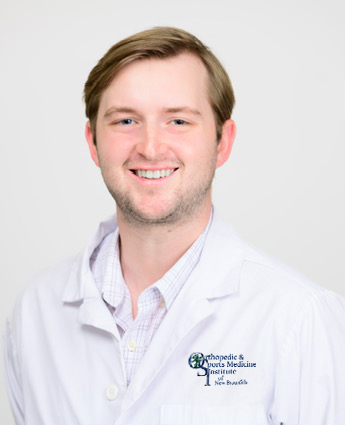 Ben Swanner, PA-C
Physician Assistant · Works with Dr. Vrana
Ben Swanner, PA-C
Physician Assistant · Works with Dr. Vrana
Each PA is paired with one surgeon — through clinic, the OR, and recovery. Not a rotating cast. The same familiar team from your first appointment through healing.
Hover a clinic to see a photo and open it on the map. Click for address, hours, and directions.
Map data © OpenStreetMap contributors © CARTO
Main office · physician-owned
960 Gruene Rd., Suite 101 · New Braunfels, TX 78130
Same-week appointments when you need one.
Most insurance accepted, including Medicare and Tricare.
Most orthopedic problems don’t need surgery. The first visit figures out what’s actually wrong and what the least invasive path looks like. Physical therapy does most of the work. Injections and bracing have their place when they fit the problem, not by default. When an operation is genuinely the right fix — like end-stage knee arthritis — the honest answer is the one that actually fixes it. Training in both sports medicine and joint replacement is how we tell which of those you’re facing.
Sports injuries follow a single track at OSI. Dr. Vrana is fellowship-trained in sports medicine and carries most of the cases; Dr. Twitero overlaps where joint replacement or trauma touches the work; Dr. Templin brings decades of sports surgical experience to the team. Arthroscopic when the anatomy allows. Same surgeon and PA from the first clinic visit through the OR and through recovery — no handoffs to someone you have not met.
Hip, knee, and shoulder replacement, tailored to the patient. Hip recovery is usually more forgiving than the knee — patients are often surprised how quickly the hip starts feeling like their own again. Partial knee replacement is a durable option many patients don’t realize exists, and not limited to people over 65: when only part of the joint is worn, replacing only that part preserves healthy tissue. Implant sizing and position are planned from each patient’s own preoperative CT or MRI, so the components fit the anatomy rather than the other way around. Most primary replacements go home the same day. We see our patients back at ten and fifteen years, still doing well.
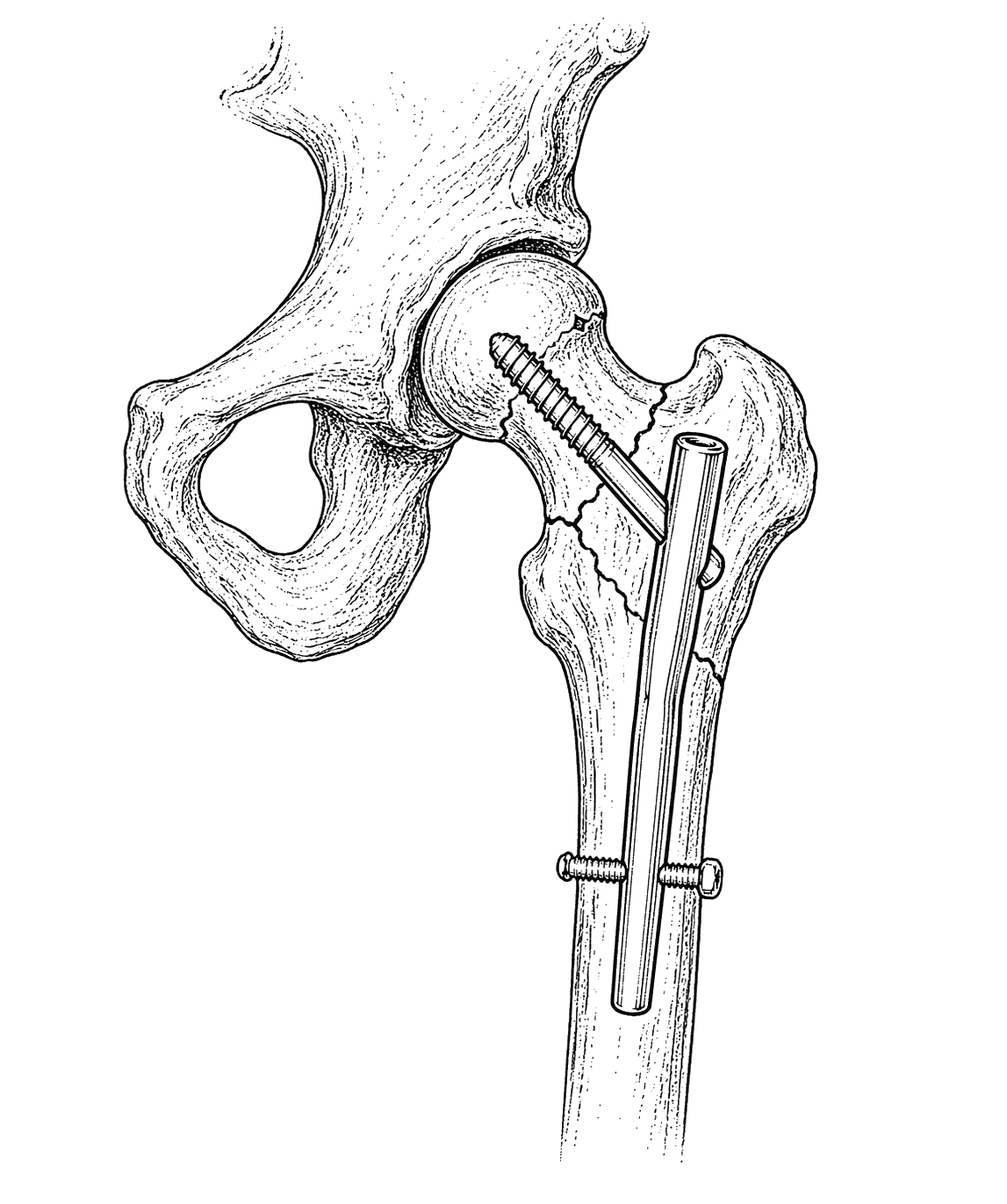
Come in through the ER with a fracture and an OSI surgeon evaluates it, decides whether it can wait for clinic the next day or needs the OR, and sets the plan. Most fractures are treated at our partner hospitals and followed through to full recovery.
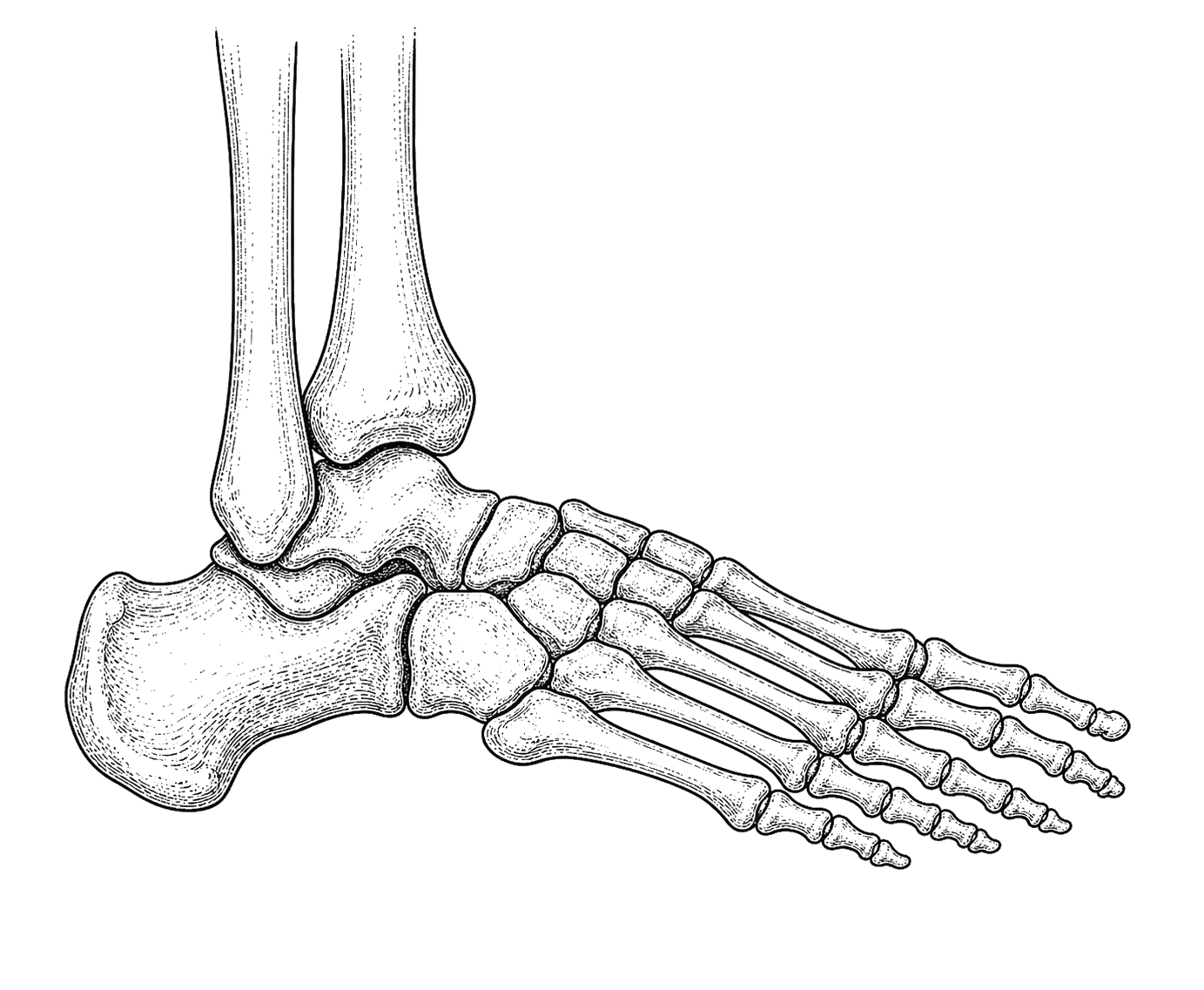
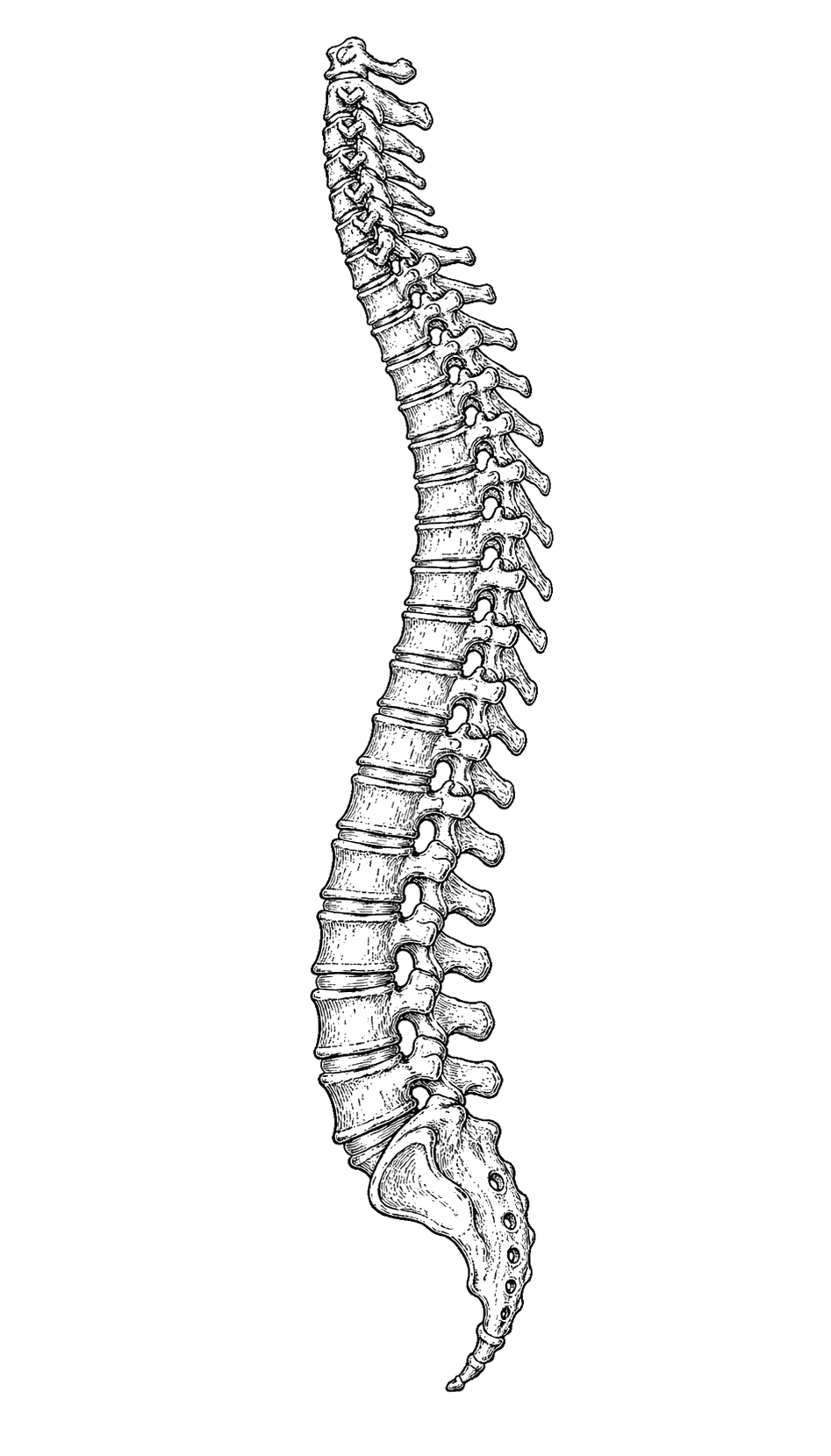
General orthopedics, joint replacement, and sports medicine — covering the hip, knee, shoulder, elbow, hand & wrist, spine, foot & ankle, and acute fracture care.
Every page opens with how we make the diagnosis, the non-operative care we try first, and the point at which surgery becomes the right call.
Start here · Education first
These are the first pages we wrote — long-form, patient-focused, and free of marketing puffery. No drama, no scare tactics, no surgical upsell. Just what the problem is, what the evidence says, and every non-operative option before surgery is ever considered.
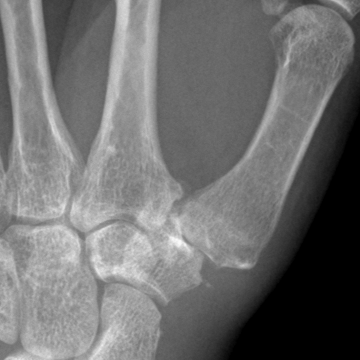
Hand & wrist
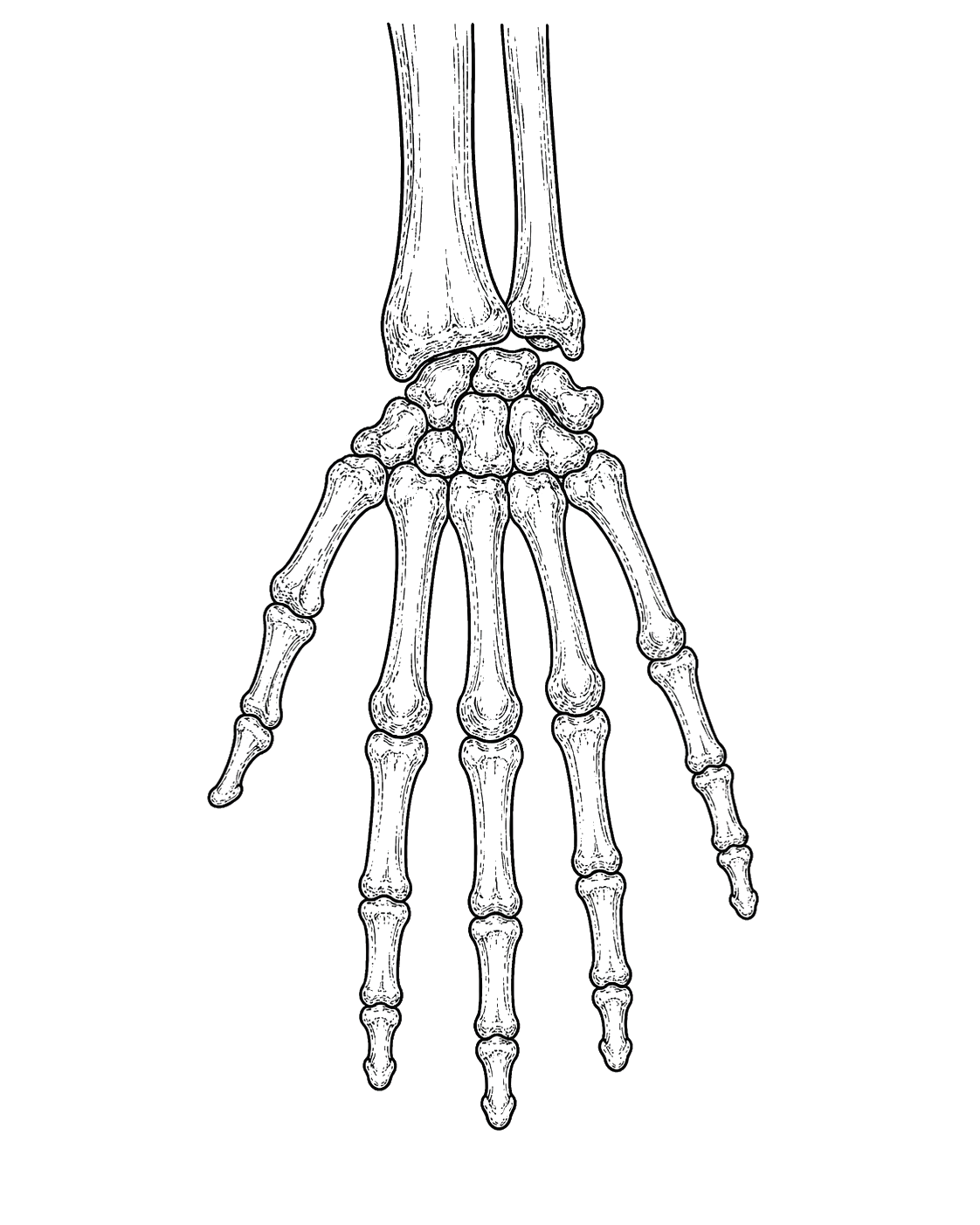
Pain at the base of the thumb with pinching, jar-opening, and writing — the most common site of arthritis in the hand, and what the non-operative path looks like before surgery is ever on the table.
Read the guide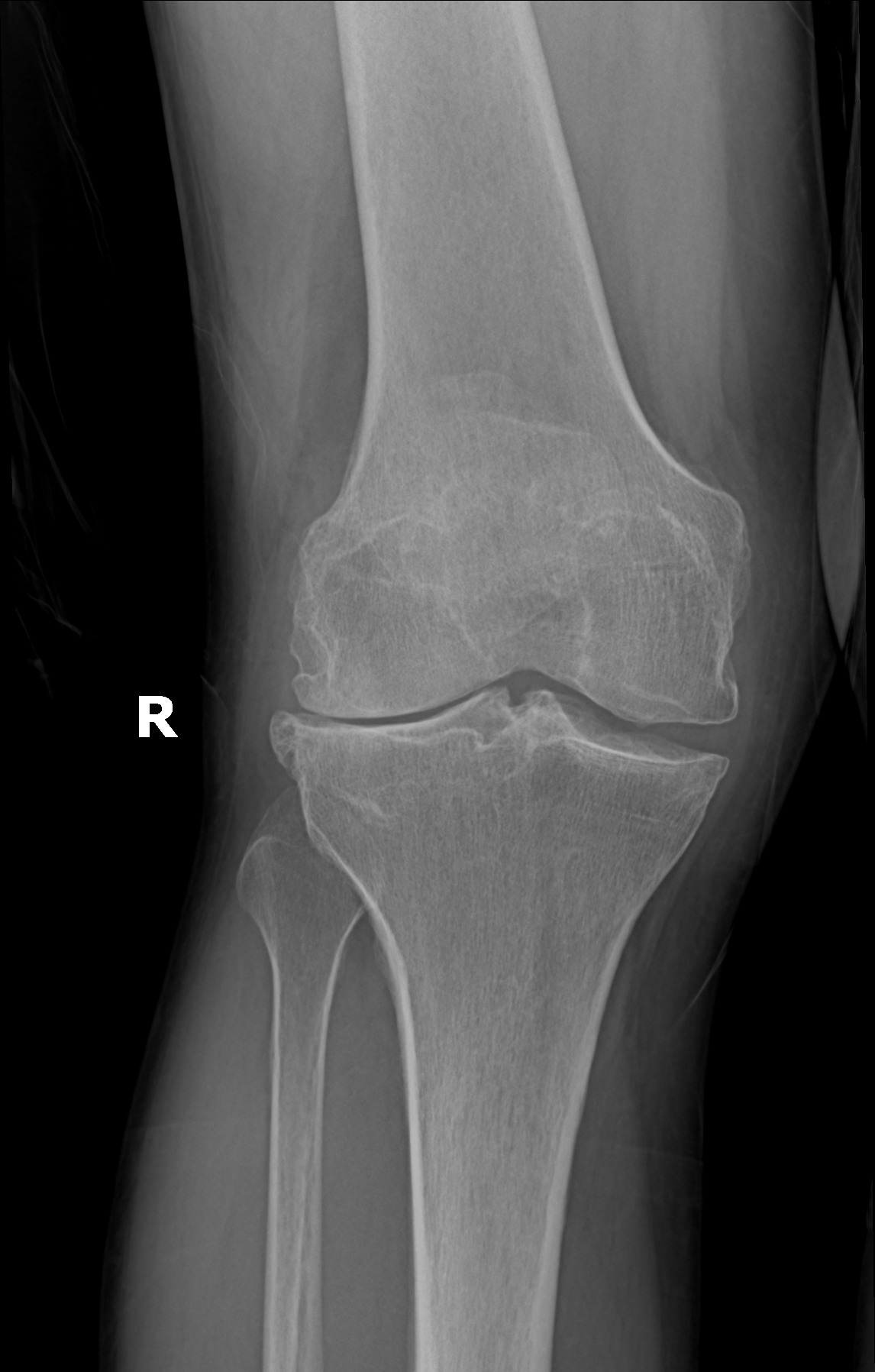
Knee
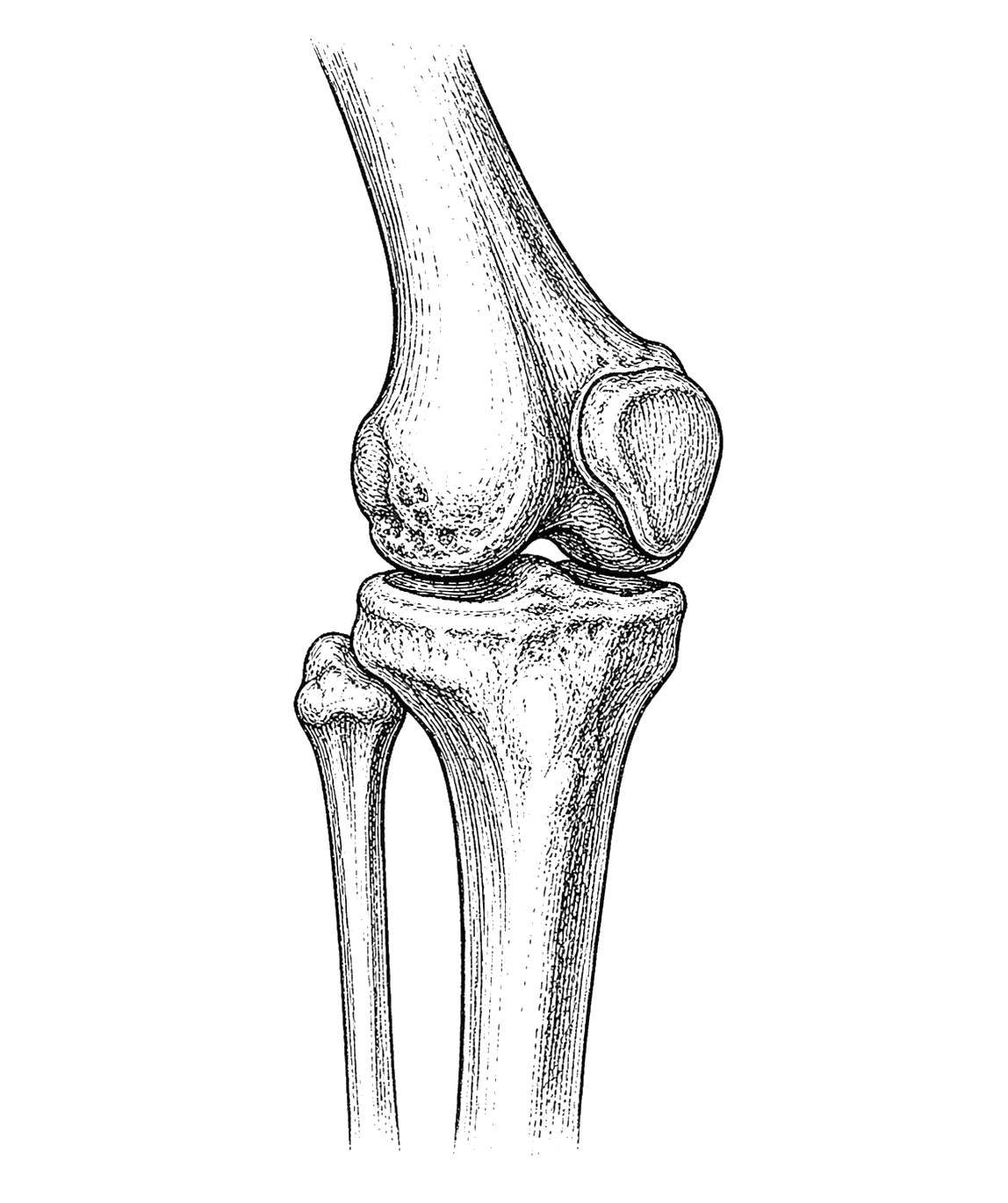
What “bone on bone” actually means, why the knee hurts the way it does, and what the non-operative and operative options really are.
Read the guideHip
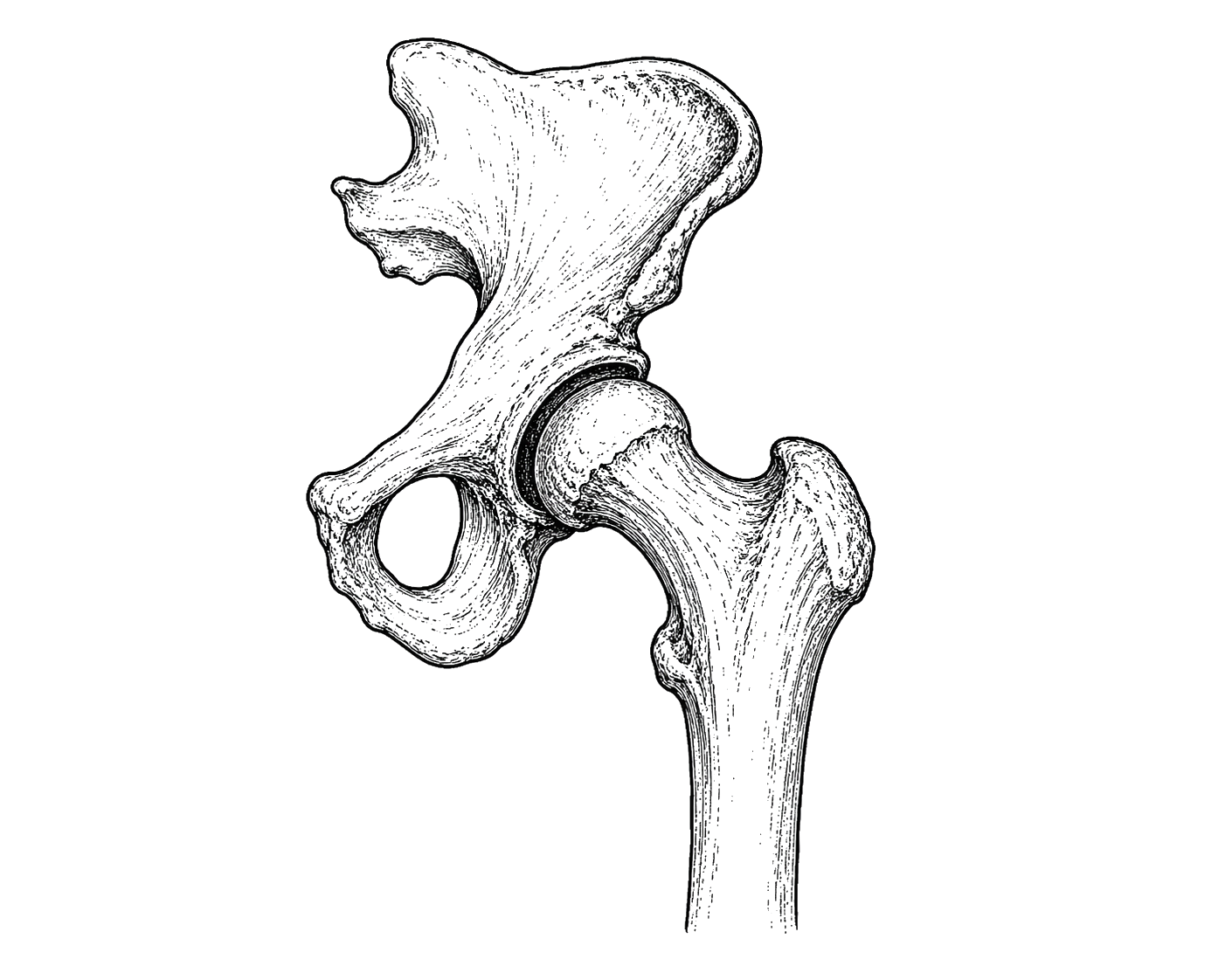
Groin pain, stiffness after sitting, trouble putting on shoes — the classic hip-arthritis story, and every treatment option from injections to replacement.
Read the guideShoulder
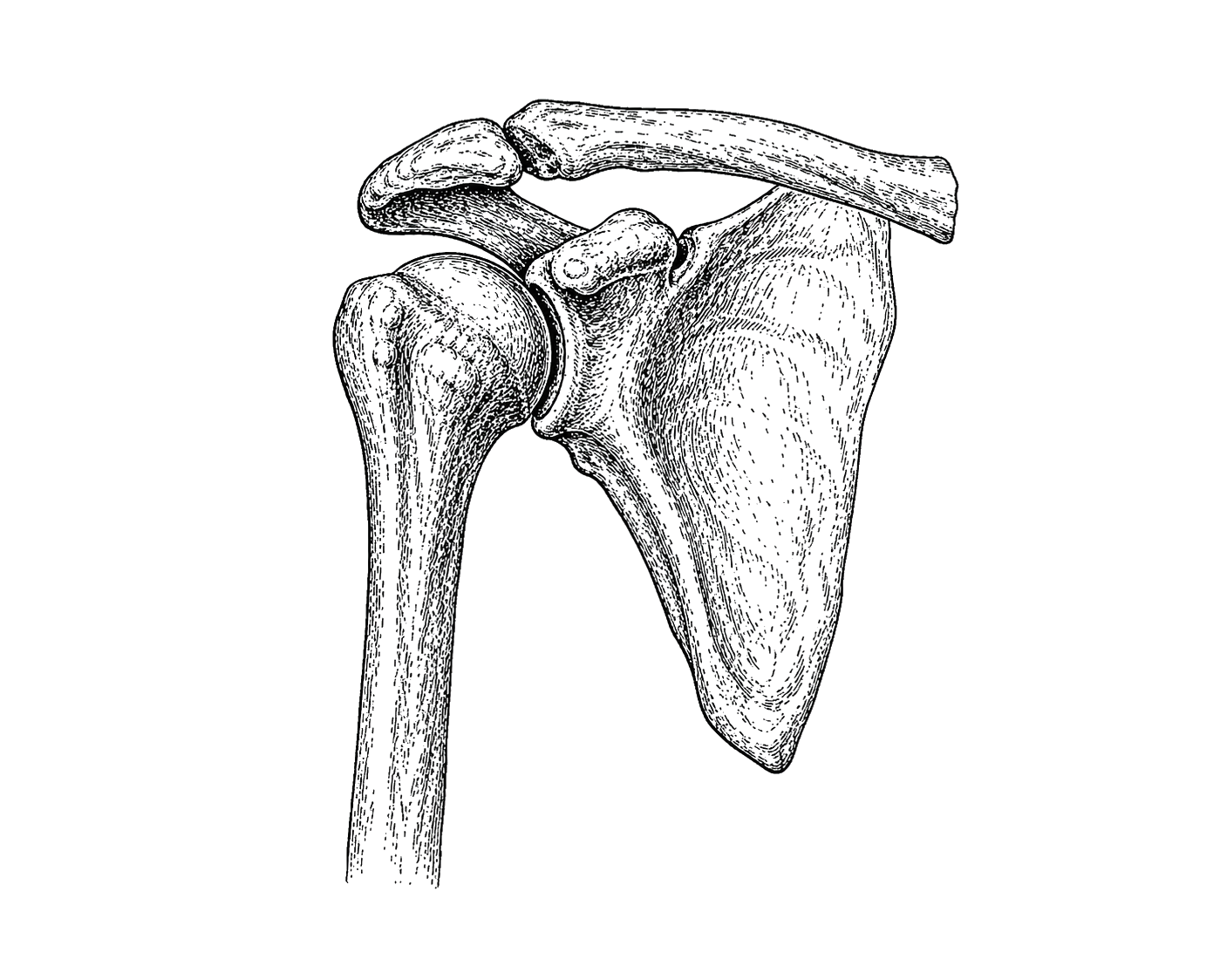
Not every tear needs surgery. Which ones do, which ones don’t, and why shoulder MRIs find tears in people who have zero symptoms.
Read the guideKnee
Why a twisting injury at 25 is a different beast than a degenerative tear at 55, and why the treatment that’s right depends on which one you have.
Read the guideHand & wrist
Numb fingers that wake you up at night, shaking out the hand to get feeling back — that’s the classic picture. Here’s what to do about it.
Read the guideFull library
The full patient-education library — organized by body region, searchable, and written for people, not insurance codes.
Browse the libraryMost orthopedic problems never reach an operating room. When one does, the people around the table matter more than anything else in the room.
Placeholder imagery. The four photographs above are slots reserved for documentary photography of our own surgeons and PAs in the OR; the descriptions under each placeholder describe the exact frame planned for that slot.
Reference · Only if surgery becomes the right step
Most orthopedic problems never need an operation. If surgery does come up in your visit, these are the procedures our surgeons are trained to perform — written as plain-language education, not advertising. No urgency, no outcome promises, no “book today.”
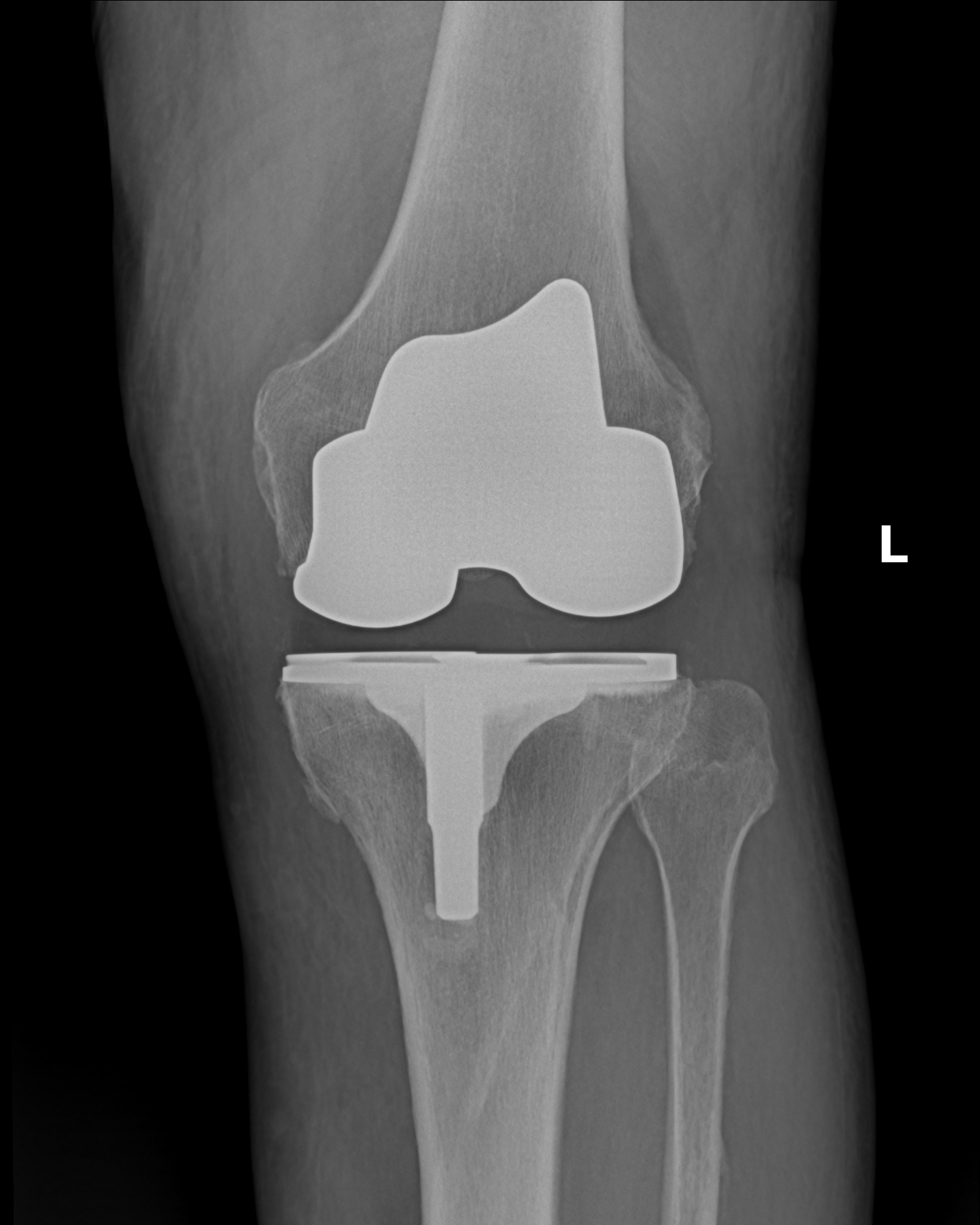
Knee · Considered after non-op fails
A last-resort option for knees that have worn through the cartilage and stopped responding to injections, bracing, and therapy. Recovery is a months-long commitment.
Read the full guide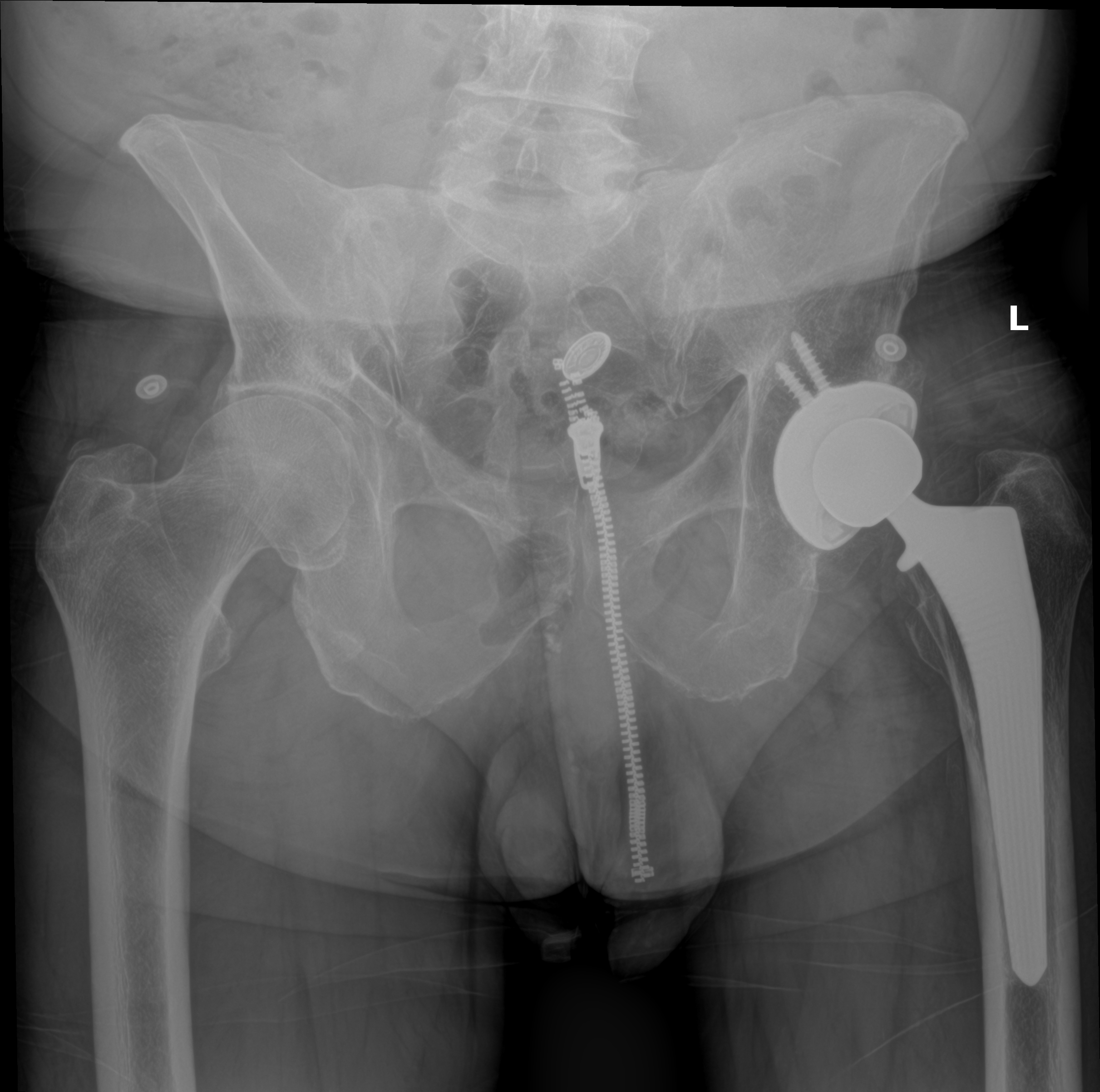
Hip · Considered after non-op fails
A last-resort option for hips that have worn through the cartilage and stopped responding to therapy, activity modification, and injections. Recovery is a months-long commitment.
Read the full guide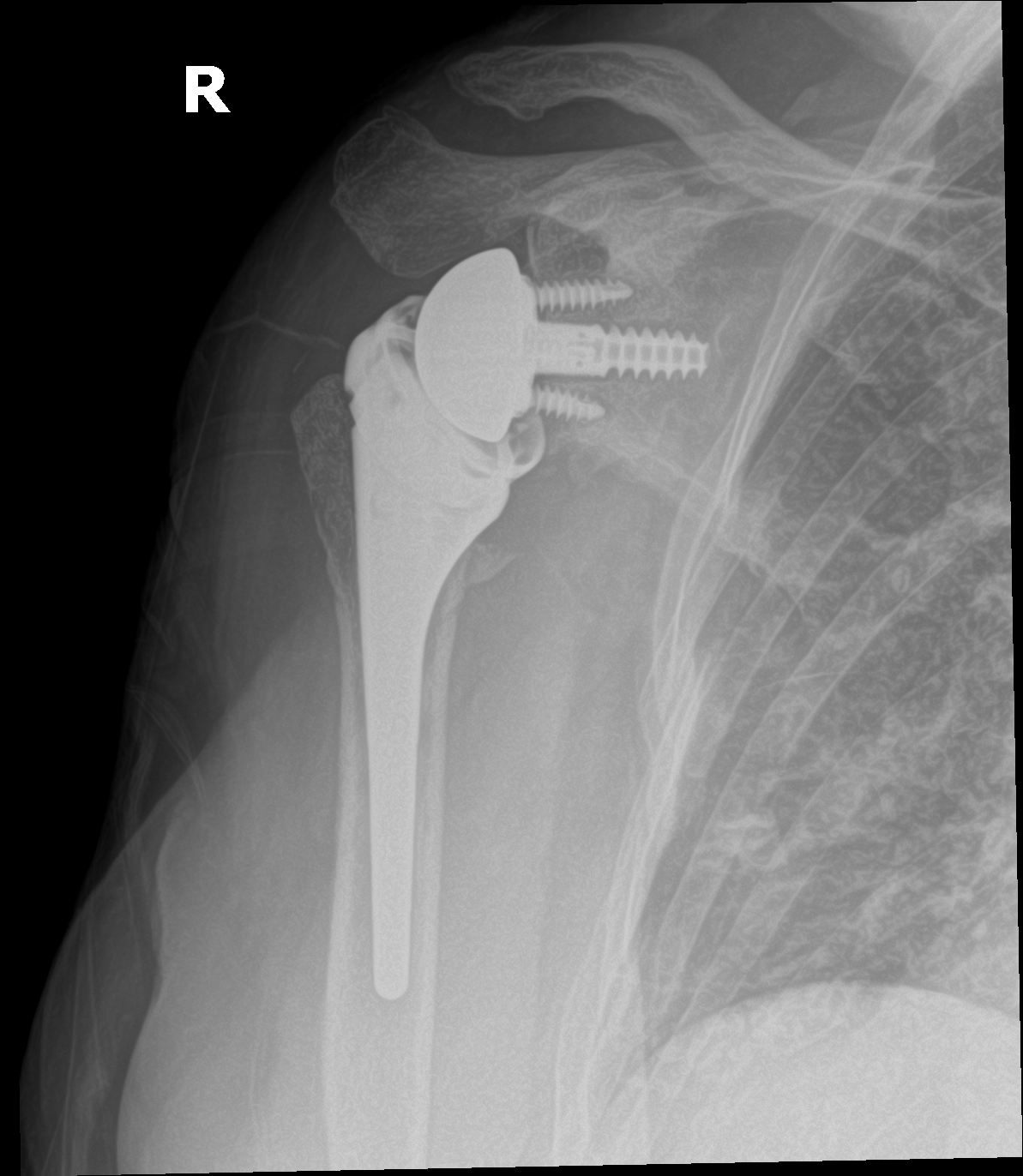
Shoulder · Specific indications
Designed for shoulders where the rotator cuff can no longer power the joint. Reversing the ball-and-socket geometry lets the deltoid do the lifting work the cuff used to do.
Who it's for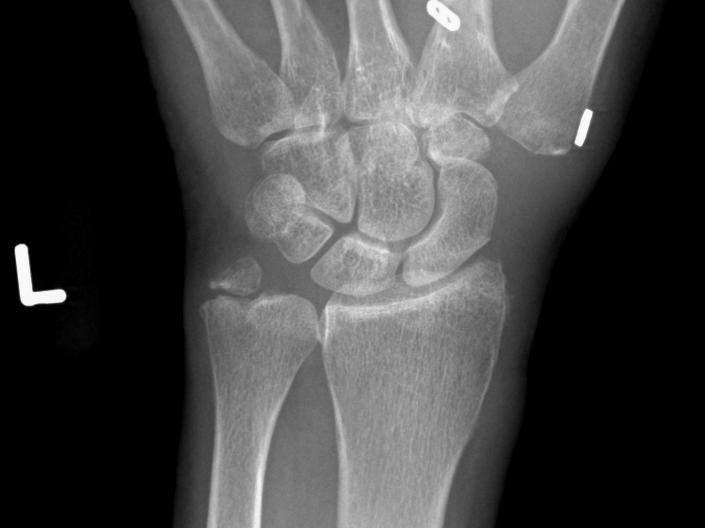
Hand · After splinting + injection
For basal-joint thumb arthritis that no longer responds to splinting or injection. The worn trapezium is removed and the thumb is stabilized with a soft-tissue reconstruction.
Read the full guide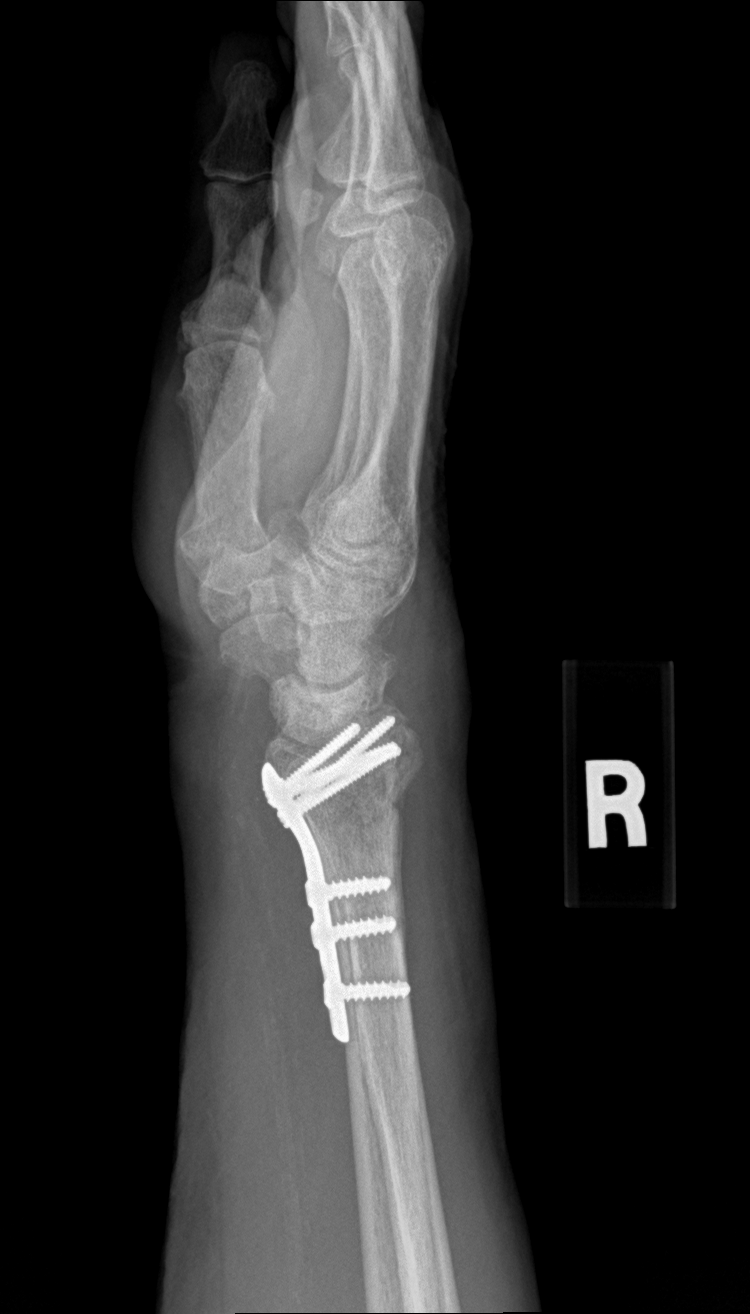
Wrist · Displaced fractures
Open reduction and volar-plate fixation for distal radius fractures that can't be held in good position with a cast alone. Restores length, alignment, and joint congruity.
When it's indicatedFull list
Fractures, arthroscopy, ligament reconstruction, joint replacement, hand and wrist, sports medicine — the complete index.
Browse proceduresWhen you are ready
A member of our scheduling team will answer — no complex phone trees and no AI-assisted scheduling agents. Tell them what is going on, and they will book you with the right surgeon.
Coming in for the first time? What to bring and what to expect →
Photo ID and insurance card(s); a current medication list with doses; any recent X-rays, MRI, or CT on disc or USB; a referral from your primary care physician if your plan requires one.
Medicare, Tricare, Blue Cross Blue Shield, Aetna, Cigna, UnitedHealthcare, Humana. Most commercial plans are accepted; call to confirm in-network status before your visit.
For refills, visit summaries, and messages between appointments, call the front desk for portal access.
Request an appointment or call (830) 625-0009, Mon—Fri 8 AM—5 PM